
Drug Addiction – A Problem That Can Be Prevented
Drug addiction is a complex issue that affects physical and mental health as well as social relationships. Information, prevention and access to support services can make a significant difference in protecting vulnerable individuals and families.
What addiction is and how it develops
Drug addiction does not appear suddenly and is not a sign of weak will or lack of character. In most cases, addiction develops gradually, against the background of unresolved emotional, social, or family difficulties. Prolonged stress, traumatic experiences in childhood or adulthood, social isolation, and lack of support can create a favorable environment for substance use.
Why people start using drugs
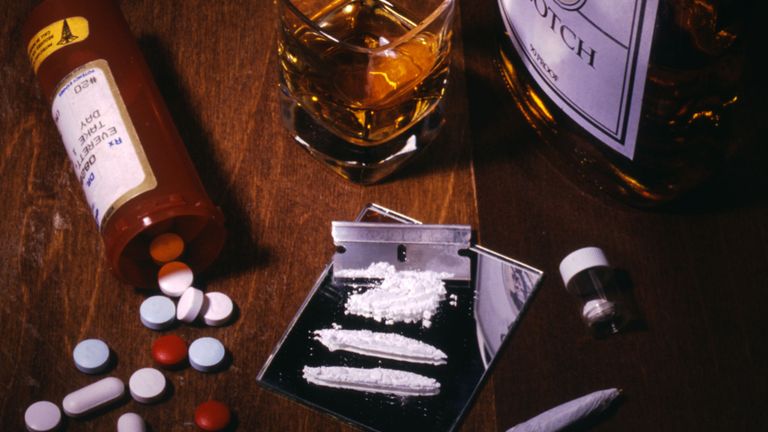
In many situations, drug use begins out of curiosity, the desire to be accepted by a group, or the need to relieve emotional pain. Over time, this behavior can lead to addiction, seriously affecting physical and mental health, family relationships, work capacity, and social integration. The person gradually loses control over substance use, and life begins to revolve around the substance.
Who is at higher risk of addiction
Addiction can affect people of all ages and social backgrounds. However, the risk is higher among individuals experiencing anxiety, depression, or prolonged stress, among young people lacking stable emotional support, among those who have lived through traumatic experiences, and among families facing difficult social circumstances. Addiction is not a conscious choice, but a complex process that requires professional intervention and support.
The impact of drug use on personal and social life
The effects of drug use extend beyond the individual and affect families, children, and the wider community. Regular drug use harms physical and mental health, reduces the ability to concentrate and make decisions, leads to family conflicts, and causes social isolation. In many cases, it results in difficulties at work or school dropout, while the risk of dangerous behavior increases significantly. The later the intervention, the more difficult recovery becomes.
The role of prevention and mental health care
The effects of drug use extend beyond the individual and affect families, children, and the wider community. Regular drug use harms physical and mental health, reduces the ability to concentrate and make decisions, leads to family conflicts, and causes social isolation. In many cases, it results in difficulties at work or school dropout, while the risk of dangerous behavior increases significantly. The later the intervention, the more difficult recovery becomes.
The role of prevention and mental health care
Prevention plays a crucial role in reducing the risk of addiction. Accurate information, open discussions about emotions and personal challenges, and access to psychosocial support services can prevent the initiation of drug use. Mental health care, psychological counseling, and social support help individuals find healthy ways to manage stress and life difficulties before they turn into addiction.
Recovery is possible
Addiction can be treated, and recovery is possible when help is accessed in time. Family involvement, access to specialized services, and support from professionals can make a significant difference between deterioration and a return to a balanced life. Seeking help is not a sign of weakness, but a responsible step toward protecting one’s health and relationships.
Message from the Renașterea Regional Social Center
The Renașterea Regional Social Center supports prevention efforts and promotes access to psychosocial services, contributing to stronger mental health and reduced addiction risks within the community.


Recent Posts



Schedule a free consultation