
Stigmatization of Vulnerable People: How We Can Reduce It in the Community
An article exploring how stigma affects vulnerable populations and what practical steps communities can take to reduce it.
In contemporary society, individuals in vulnerable situations face not only objective challenges but also a powerful invisible barrier: stigma. This phenomenon significantly limits access to services, affects social relationships, and reduces real chances for successful reintegration. The Regional Social Center “Renasterea” actively promotes a culture of respect, empathy, and social inclusion.
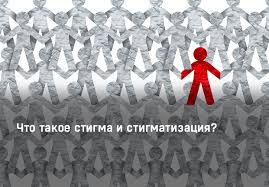
Stigma is a process through which individuals or groups are labeled, stereotyped, and treated differently based on characteristics perceived as negative, such as substance use, low socio-economic status, or mental health conditions. It manifests through judgment, social distancing, and exclusion from opportunities.
The effects of stigma are profound and long-lasting. People become less likely to seek help, experience worsening psychological conditions, reduced self-esteem, and increased social isolation. In this way, stigma does not merely reflect a problem—it amplifies it.
There are several widespread myths that reinforce stigma, including the belief that individuals are solely responsible for their situation or incapable of change. In reality, behaviors are shaped by complex factors such as life circumstances, trauma, and social environment, and meaningful change is possible with appropriate professional support.
Reducing stigma requires a comprehensive approach that includes education, responsible language use, opportunities for positive interaction, and active institutional involvement. Continuous professional support for specialists working with vulnerable groups is essential for ensuring more humane and effective interventions.
The Renasterea Center implements programs based on respect and non-judgment, develops prevention initiatives, supports professionals, and strengthens inter-institutional collaboration. These efforts contribute to building an inclusive community where every individual has a real opportunity for recovery and growth.
Reducing stigma is not only a moral responsibility but also a key condition for the effectiveness of social interventions. An informed and empathetic community is a stronger and safer community for all.

Recent Posts



Schedule a free consultation